Fishing is a timeless pastime enjoyed by millions around the world. Anglers continually seek new and innovative ways to improve their chances of landing the big one. One such method that has gained popularity is the use of scented baits. These baits are infused with various scents designed to attract fish, but the question remains: do they really work? In this article.
The Science Behind Scented Baits
Fish have an incredible sense of smell, often far more developed than that of humans. They use their olfactory senses to locate food, avoid predators, and even find mates. When a fish detects a scent in the water, it can follow the trail back to its source. This biological fact is the foundation for the use of scented baits.
How Fish Smell
Fish have olfactory receptors located in two small pits, one on each side of their snouts. These receptors can detect minute chemical changes in the water, allowing fish to smell food from great distances. Scented baits release attractant chemicals into the water, which fish can detect and follow.
Types of Scents Used
Common scents used in fishing baits include:
- Natural Scents: These are derived from real fish, such as shad, herring, or shrimp. They mimic the natural food sources of many fish species.
- Artificial Scents: These are chemically engineered to replicate or enhance natural smells. They can be more potent and longer-lasting than natural scents.
- Combination Scents: These use both natural extracts and artificial additives to create a powerful attractant.
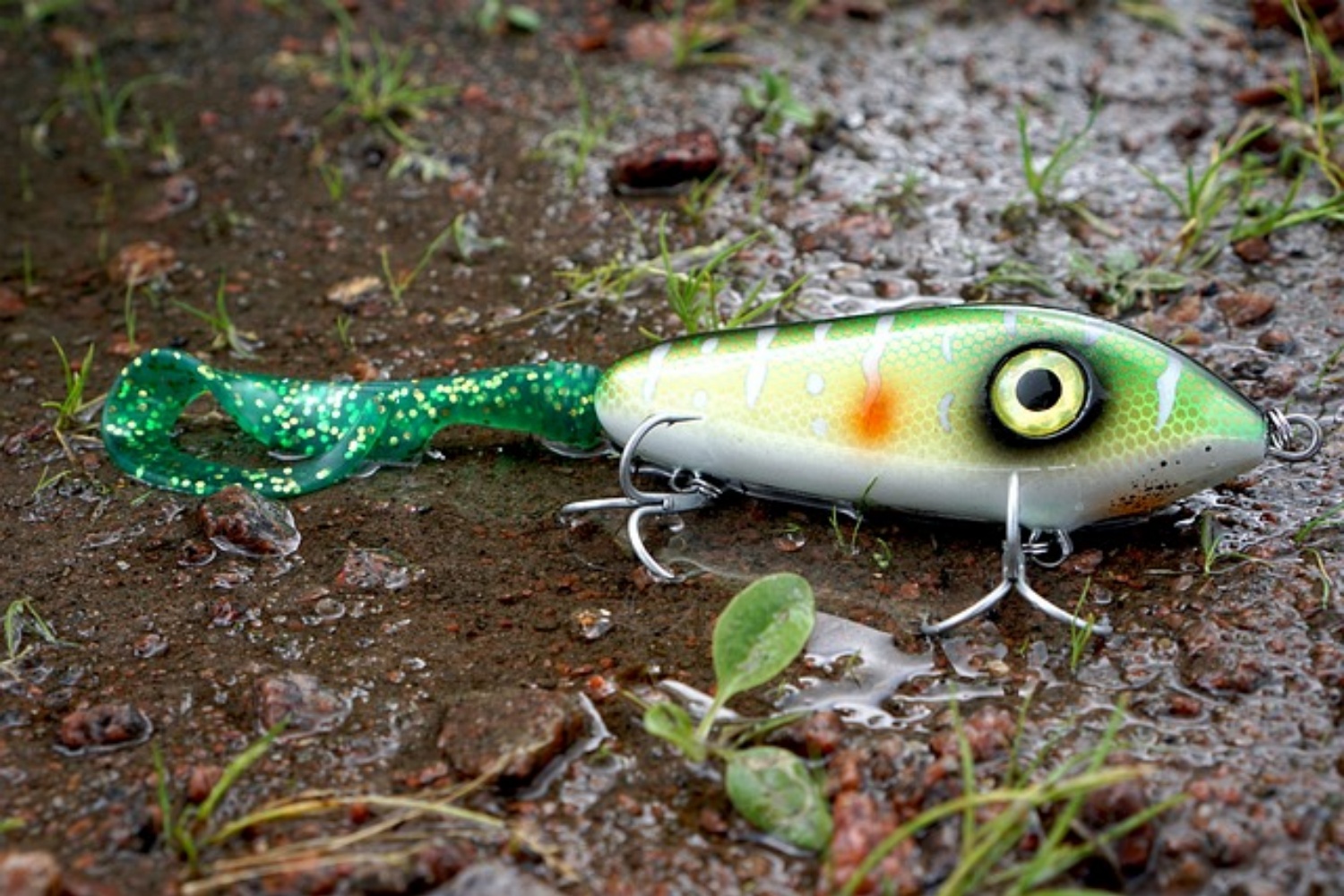
Advantages of Scented Baits
Increased Attraction
The primary advantage of scented baits is their ability to attract fish from a distance. In murky or dark waters where visibility is low, scent plays a crucial role in helping fish locate food.
Masking Human Scent
Fish can be deterred by human scents, such as oils from our skin or residues from sunscreen and insect repellent. Scented baits can mask these human odors, making your bait more appealing to fish.
Longer Engagement
Scented baits can keep fish interested for longer periods. When a fish takes a nibble and tastes the appealing scent, it is more likely to hold onto the bait, giving anglers a better chance to set the hook.
Potential Drawbacks
Over-Reliance
Some anglers might become too reliant on scented baits, neglecting other important fishing techniques like proper casting, lure action, and understanding fish behavior. Scented baits should be used as a supplement to, not a replacement for, these fundamental skills.
Cost
High-quality scented baits can be more expensive than traditional baits. Additionally, some scents may need to be reapplied regularly, increasing overall costs.
Environmental Impact
There is some concern about the environmental impact of artificial scents, especially if they contain non-biodegradable substances. Anglers should choose environmentally friendly products whenever possible.
Practical Tips for Using Scented Baits
Choose the Right Scent
Different fish species are attracted to different scents. Research the species you’re targeting and choose a bait that mimics their natural prey. For example, catfish are attracted to strong, pungent scents like blood and liver, while bass might prefer more subtle scents like shad or crawfish.
Use Scented Additives
If you’re not ready to invest in pre-scented baits, consider using scented sprays or gels. These can be applied to your existing lures and baits to enhance their attractiveness.
Reapply as Needed
Scent can wash off over time, especially in fast-moving water. Make it a habit to reapply scented sprays or gels periodically to maintain their effectiveness.
Combine with Other Techniques
Pair scented baits with other effective fishing techniques. For instance, use scented soft plastics with a slow, steady retrieve to maximize their appeal. Experiment with different combinations to see what works best in your fishing environment.
Case Studies: Success Stories and Research
Angler Testimonials
Many anglers swear by scented baits, sharing stories of dramatic increases in their catch rates. These anecdotal success stories provide valuable insights into the practical benefits of using scented baits.
Scientific Research
There have been several studies conducted on the effectiveness of scented baits. Research generally supports the idea that fish are more likely to bite on scented baits compared to unscented ones. For example, a study conducted by the University of California found that scented baits significantly increased the catch rates of bass in controlled environments.
Scented baits can be a powerful tool in an angler’s arsenal, leveraging the keen olfactory senses of fish to increase attraction and engagement. While they are not a magic solution and should not replace essential fishing skills, they offer a valuable supplement that can enhance your fishing experience. By understanding the science behind scented baits, choosing the right products, and combining them with effective fishing techniques, you can improve your chances of success on the water.
Next time you head out for a fishing trip, consider adding scented baits to your tackle box. With a bit of experimentation and the right approach, you might find that these aromatic additions are just what you need to reel in that trophy catch. Happy fishing!