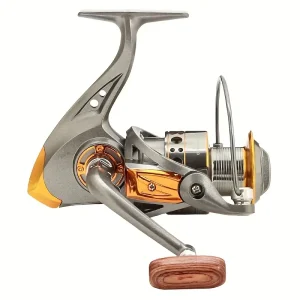
The handle of a fishing rod is a key component that directly affects the angler’s comfort, control, and overall fishing experience. From traditional cork handles to modern synthetic materials, each type of handle has unique characteristics that suit different fishing styles and preferences. I will take a closer look at the pros and cons of each different material handle.
Introduction to Fishing Rod Handles
The handle of a fishing rod serves as the interface between the angler and the rod itself, playing a crucial role in casting accuracy, sensitivity to bites, and fatigue resistance during prolonged fishing sessions. Understanding the differences between handle materials and designs can help anglers make informed decisions based on their fishing needs.
Types of Fishing Rod Handle Materials
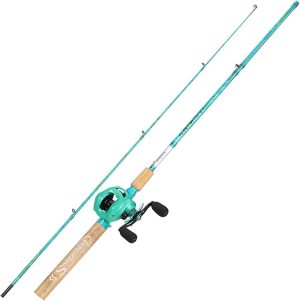
- Cork Handles: Cork handles are renowned for their lightweight, buoyant, and comfortable grip. They provide excellent sensitivity, allowing anglers to detect even the subtlest strikes. Cork handles also offer good insulation against temperature changes, making them ideal for both cold and warm weather fishing.
- EVA Foam Handles: EVA (Ethylene Vinyl Acetate) foam handles are durable, non-slip, and easy to maintain. They provide a firm grip even when wet, making them suitable for saltwater fishing where rods are often exposed to moisture and salt. EVA handles come in various densities, offering different levels of cushioning and comfort.
- Composite and Hybrid Handles: Some fishing rods feature handles made from a combination of materials, such as cork and EVA foam, or cork and rubber. These hybrid handles aim to provide a balance of benefits from each material, such as the sensitivity of cork combined with the durability of EVA foam.
- Carbon Fiber Handles: Increasingly popular in high-performance fishing rods, carbon fiber handles offer exceptional strength-to-weight ratio and rigidity. They transmit vibrations effectively, allowing anglers to feel even the slightest movements underwater. Carbon fiber handles are often found in rods designed for competitive fishing or targeting large game fish.
- Wooden Handles: Traditional and aesthetically pleasing, wooden handles are less common in modern fishing rods but still favored by some anglers for their natural feel and craftsmanship. They require more maintenance to prevent water damage but can provide a unique tactile experience.

Factors to Consider When Choosing a Fishing Rod Handle
- Fishing Style: Different fishing techniques and environments may benefit from specific handle materials. For example, saltwater anglers might prefer EVA handles for their resistance to corrosion, while freshwater anglers may prioritize cork for its sensitivity.
- Comfort and Ergonomics: The ergonomics of a handle play a significant role in reducing hand fatigue during long casting sessions. Anglers should consider the shape, diameter, and texture of the handle to ensure a comfortable grip that suits their hand size and fishing technique.
- Durability and Maintenance: Some handle materials require more upkeep than others. Cork, for instance, may need periodic cleaning and conditioning to maintain its integrity, while EVA foam handles are more resistant to wear and tear.
- Budget and Preference: The cost of fishing rods can vary based on the handle material and construction. Anglers should balance their budget with personal preferences regarding grip feel, aesthetics, and performance characteristics.
The choice of fishing rod handle material is a personal decision influenced by fishing style, environmental conditions, and individual preferences for comfort and performance. By understanding the characteristics of different handle materials and considering these factors, anglers can select a fishing rod that enhances their fishing experience and increases their chances of success on the water.
By exploring the nuances of fishing rod handles, anglers can make informed choices that align with their fishing goals and preferences. Whether seeking sensitivity, durability, or ergonomic comfort, the variety of handle materials available ensures there is a suitable option for every angler’s needs.