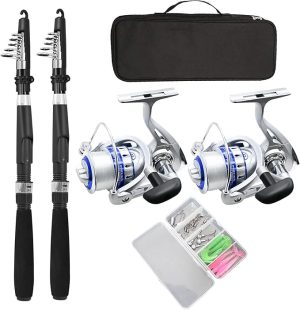
Fishing, one of humanity’s oldest practices, has always intertwined with tradition and innovation. One of the most fascinating evolutions in this realm is the bamboo fishing rod. This article delves into the history, resurgence, and modern adaptations of bamboo fishing rods, highlighting how tradition meets modernity in this unique aspect of angling.
The Historical Significance of Bamboo Fishing Rods
Bamboo has been a cornerstone in the history of fishing rods for centuries. Its natural flexibility, strength, and availability made it an ideal material for early anglers. The Chinese were among the first to use bamboo rods as far back as the 2nd century, a practice that spread across Asia and eventually to the rest of the world.
In Europe, the use of bamboo fishing rods gained prominence in the 19th century, especially in England. Here, the craft of making split-cane bamboo rods (rods constructed from strips of bamboo glued together) became an art form. These rods were prized for their balance, casting ability, and aesthetic appeal. They represented the pinnacle of fishing rod technology until the mid-20th century.

The Decline and Resurgence of Bamboo Rods
The introduction of synthetic materials such as fiberglass and carbon fiber in the 1950s and 1960s led to a decline in the popularity of bamboo fishing rods. These new materials were cheaper to produce, more durable, and required less maintenance. However, the unique qualities of bamboo, such as its action and feel, couldn’t be replicated.
In recent years, there has been a resurgence in the interest and use of bamboo fishing rods. This revival can be attributed to several factors:
- Nostalgia and Tradition: Many anglers are drawn to the historical significance and the traditional craftsmanship associated with bamboo rods.
- Performance: Experienced anglers often appreciate the unique casting characteristics of bamboo rods, which provide a smooth, slow action that is particularly suited to fly fishing.
- Aesthetics and Craftsmanship: Modern bamboo rods are often handcrafted works of art. The intricate process of splitting, planing, and gluing bamboo strips requires a high level of skill and craftsmanship, making each rod a unique creation.
Modern Innovations in Bamboo Rod Making
While the core process of making bamboo rods has remained relatively unchanged, modern innovations have improved their performance and durability.
Material Selection and Treatment
Today’s rod makers select from various types of bamboo, with Tonkin cane being the most prized for its strength and straightness. Advances in material treatment, such as heat-treating the bamboo, have enhanced its resilience and action.
Design and Construction Techniques
Modern bamboo rod makers employ sophisticated design and construction techniques to fine-tune the action and performance of their rods. For instance, tapers (the way the rod’s diameter changes along its length) are meticulously designed to achieve the desired casting characteristics.
Hybrid Rods
In recent years, some manufacturers have started to produce hybrid rods that combine bamboo with other materials such as graphite. These rods aim to blend the traditional feel of bamboo with the lightweight and durability of modern materials.
Customization and Personalization
The resurgence in bamboo rod making has also seen a rise in bespoke, custom-made rods. Anglers can work with rod makers to design a rod tailored to their specific needs and preferences, from the type of fishing they do to the aesthetic details of the rod.
The Environmental Impact
Another factor contributing to the renewed interest in bamboo rods is their environmental impact. Bamboo is a highly sustainable resource. It grows quickly, requires minimal pesticides, and can be harvested without killing the plant. In contrast, the production of synthetic materials like carbon fiber and fiberglass has a more significant environmental footprint.
Bamboo Rods in the Modern Angling World
Bamboo fishing rods occupy a unique niche in the modern angling world. They are cherished by collectors, valued by seasoned anglers for their performance, and appreciated by novices for their historical significance and beauty.
Collectors and Enthusiasts
For collectors, bamboo rods represent a link to the past. Vintage bamboo rods, particularly those made by renowned craftsmen, can fetch high prices at auctions and are often considered heirlooms.
Anglers
For practical use, many fly anglers prefer bamboo rods for their slower, more deliberate action, which can be particularly effective in certain fishing situations. The weight distribution and flexibility of bamboo can enhance the overall fishing experience, making each cast feel more connected and precise.
Beginners
For beginners, bamboo rods offer a way to connect with the history and tradition of fishing. While they require more care and maintenance than synthetic rods, they also teach the angler to appreciate the subtleties of the sport.
The Future of Bamboo Fishing Rods
As we move further into the 21st century, the future of bamboo fishing rods looks promising. The blend of tradition and modernity ensures that these rods will continue to have a place in the angling world. Advances in technology and materials will likely lead to even better performance and durability, while the timeless appeal of handcrafted, bespoke rods will keep the art and tradition of bamboo rod making alive.
The evolution of bamboo fishing rods is a testament to the enduring appeal of this natural material. From its historical roots to its modern resurgence, bamboo continues to captivate anglers with its unique combination of beauty, performance, and tradition. Whether you are a seasoned angler, a collector, or a beginner, there is something undeniably special about fishing with a bamboo rod – a connection to the past and a nod to the craftsmanship that defines the sport of fishing.