Fishing lures have revolutionized the world of fishing, providing an effective alternative to live bait. These artificial baits come in various shapes, sizes, and colors, each designed to attract specific species of fish. Choosing the right lure can significantly impact your success rate, and understanding the different types of lures available is essential for improving your catch. Below are some of the most popular fishing lures and their unique features.
Why Use Fishing Lures?
Fishing lures offer several advantages over live bait, making them a go-to option for many anglers. Here’s a comparison of the pros and cons of using fishing lures versus live bait:
Pros of Fishing Lures:
- Longer Casting Distance: Lures are lighter and more aerodynamic, allowing for longer casts than live bait.
- Cleaner and Less Messy: Lures are easier to handle and don’t require the care and maintenance of live bait.
- Catch-and-Release Friendliness: Fish are less likely to swallow the hook, making lures ideal for catch-and-release.
- Targeting Specific Species: Lures can be matched to specific fish species, making them a more accurate tool for anglers.
- Interchangeability: Lures are reusable and easy to switch out depending on the fishing conditions.

Cons of Fishing Lures:
- Higher Cost: Lures can be more expensive than live bait, especially if you have to replace them frequently.
- Snags and Tangles: Lures can get caught on underwater structures or debris.
- Requires Movement: Lures must be actively reeled in or manipulated to attract fish.
- Skill Requirement: Some lures require advanced techniques and are not as effective for beginners.Not as Effective in Cold Water: In colder waters, live bait may be more effective than lures.
- Despite these drawbacks, fishing lures are highly versatile and can be used effectively in both freshwater and saltwater, making them an essential tool in any angler’s kit.
Most Common Types of Fishing Lures
Fishing lures come in several types, each designed for specific fishing conditions and species. Here’s a breakdown of the most commonly used fishing lures:
| Lure Type | Description | Best For |
| Plugs (Crankbaits) | Hard plastic lures designed to resemble baitfish. Equipped with a lip to create a wobbling action, they can float, sink, or dive depending on the design. | Bass, Pike, Walleye, Trout |
| Jigs | Weighted head with a hook and a feather or plastic skirt. Jigs are known for their ability to sink quickly, making them perfect for bottom-feeding fish. | Bass, Panfish, Bottom Feeders |
| Spinnerbaits | Lures with spinning blades that create vibration and flash, mimicking the movements of baitfish. They are great for attracting fish from a distance. | Bass, Pike, Crappie |
| Spoons | Metal lures shaped like a spoon that wobble and shine as they move through the water, resembling injured baitfish. | Trout, Salmon, Pike |
| Soft Plastics | Flexible lures made of rubbery material that mimic the movement of aquatic creatures such as worms, crawfish, and minnows. | Bass, Walleye, Catfish |
| Flies | Small, feathered lures used in fly fishing to imitate insects, crustaceans, or other prey. Fly lures come in dry, wet, and nymph varieties to suit different conditions. | Trout, Salmon, Freshwater Species |
Detailed Look at Popular Lures
Plugs (Crankbaits)
Plugs are hard plastic lures designed to resemble baitfish or other prey. These lures are fitted with a lip that helps them dive underwater and create a wobbling motion, mimicking the movement of injured fish. Plugs can float, suspend, or dive depending on their design.
Fishing Tip: For maximum effect, vary your reel speed and add stop-and-go movements to mimic a struggling fish. Try different twitching intervals and reeling speeds to attract fish.
Jigs
Jigs are versatile lures with a weighted head and a hook, typically adorned with a feather skirt or soft plastic grub. Their weight allows them to sink quickly, making them ideal for bottom feeders.
Fishing Tip: Cast the jig out and let it sink to the bottom. Once you feel the line slack, start lifting your rod slightly and then lower it again while retrieving. Experiment with different speeds and movements to determine what works best.
Spinnerbaits
These lures feature spinning metal blades that create vibration and flash, making them effective at attracting fish from a distance. The blades imitate the motion of minnows or other small prey.
Fishing Tip: In murky waters, keep the spinnerbait just below the surface to take advantage of the spinning blades. If fishing in deeper waters, use a sinker to reach the desired depth.
Spoons
Spoons are concave metal lures that wobble as they move through the water, resembling an injured fish. Their reflective surface creates flashes that attract fish from a distance.
Fishing Tip: To use a spoon lure effectively, cast it slightly below the target zone and retrieve it at varying speeds to produce the right wobbling action.
Soft Plastics
Soft plastics come in a variety of shapes and sizes, mimicking the movements of aquatic creatures like minnows, worms, and frogs. They are popular for their ability to create lifelike motions in the water.
Fishing Tip: Adjust the color and size of the soft plastic lure based on water clarity and weather conditions. Bright colors work well in clear water, while natural tones are best in overcast conditions.
Flies
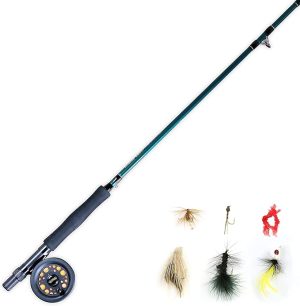
Fly lures are designed for fly fishing and are typically made of furs, feathers, or threads tied to imitate insects, crustaceans, or small fish. There are various types of fly lures, including dry flies (floating), wet flies (sinking), and nymphs (representing underwater prey).
Fishing Tip: Choose a fly based on the type of prey in the area. Dry flies work well on the surface, while wet flies and nymphs are better for deeper waters.
Fishing lures are an essential part of any angler’s toolkit. Understanding the various types of lures available and how they mimic natural prey will help you choose the best one for your fishing conditions. Whether you’re targeting bass, trout, or pike, the right lure can make all the difference. So, next time you head out to fish, experiment with different lures and techniques to reel in the big one!