Whiting, often described as one of the most accessible and enjoyable species to target, is a favorite catch for anglers of all skill levels. Known for their mild flavor and tender flesh, Whiting fish are not only fun to catch but also make for an excellent meal. If you’re new to fishing or looking to refine your techniques, targeting Whiting can be an ideal starting point. This guide will take you through the basics and more advanced strategies to ensure your success when angling for Whiting.
Understanding Whiting Habitats
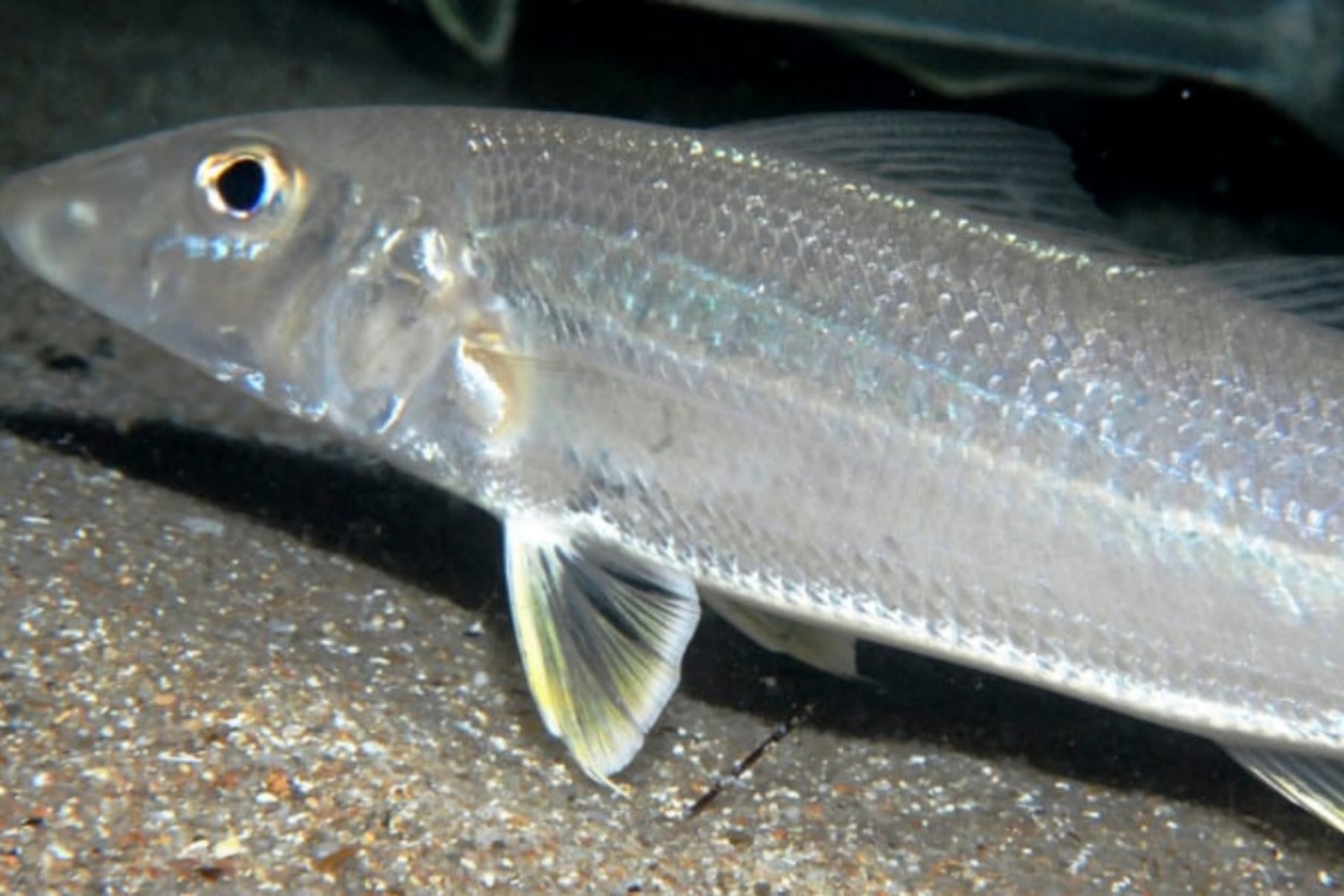
One of the key aspects of successful fishing is understanding where the fish are likely to be found. Whiting, particularly Sand Whiting and King George Whiting, thrive in coastal waters, especially around sandy seabeds and in shallow regions.
Whiting are most commonly found in estuaries, surf beaches, and sheltered bays. These fish love to roam near the shore, often inhabiting areas where the waves and tides create natural feeding zones. You’ll find that they prefer water depths ranging from a few feet to around 10 meters. Natural structures such as sandbars, weed beds, and the mouths of rivers and creeks are prime locations to spot Whiting.
The best time to fish for Whiting is during the warmer months, particularly in summer and early autumn. This is when they are most active and feeding more aggressively, often moving closer to shorelines and shallow waters. Tide conditions are equally crucial—Whiting tends to be more active during rising tides when their prey is most accessible.
Essential Gear for Whiting Fishing
- To effectively target Whiting, using the right equipment is essential. Whiting are not large fish, so your gear doesn’t need to be heavy-duty. Light tackle is ideal for catching these fish, as it offers better sensitivity to detect the subtle bites for which Whiting are known.
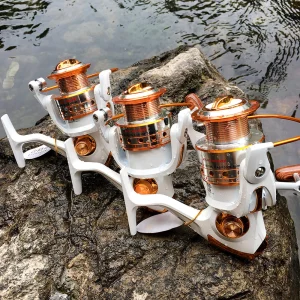
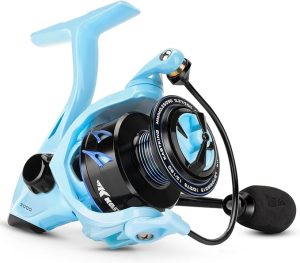
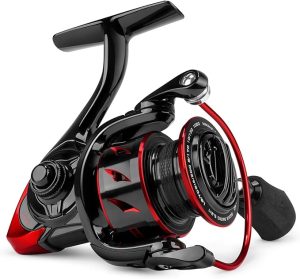
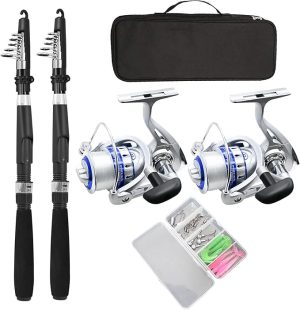
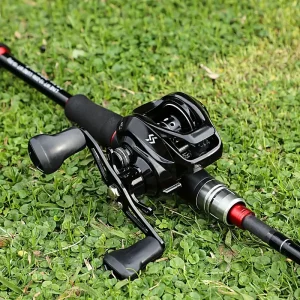
- Rods and Reels: A light or ultralight rod between 6 to 7 feet is perfect for targeting Whiting. Pair this with a small spinning reel, around the 1000-2500 size range, spooled with 2-6 lb monofilament or braided line. The sensitivity of lighter gear will help you feel even the faintest nibbles, giving you an edge in detecting strikes.
- Fishing Line: Monofilament or light braid is recommended. A 2-6 lb line works well, offering the right balance between strength and subtlety. If fishing in areas with many structures or rocky terrain, consider using a slightly heavier line to avoid break-offs.
- Terminal Tackle: For Whiting, a simple rig works wonders. A basic running sinker rig or a paternoster rig with size 6-10 long shank hooks is the go-to setup for most anglers. A small sinker should be added just above the swivel, keeping it light enough to allow your bait to move naturally in the current.
- Bait: When it comes to Whiting, live bait is hard to beat. Some of the most effective baits include live or fresh sandworms, bloodworms, and yabbies. These natural prey items are irresistible to Whiting. If live bait is unavailable, small pieces of fresh squid or prawns can also yield good results. Additionally, many anglers swear by pipis and beach worms, which can be collected from the same areas you’re fishing.
Techniques to Boost Your Success
Whiting fishing is as much about technique as it is about choosing the right location and gear. Here are some tried-and-true techniques to help you get more bites and land more fish:
- Precision Casting: Since Whiting tend to inhabit shallow waters and feed near sandy drop-offs or sandbars, casting accurately into these zones is critical. If you’re fishing from the shore, look for gutters or depressions in the seabed created by wave action, as these are natural feeding zones for Whiting. By casting into these areas, you’re positioning your bait where the fish are most likely to be.
- Patience and Sensitivity: Whiting are known for their delicate bites. Often, they’ll nibble at the bait rather than taking it in one strong bite. It’s important to remain patient and keep a close eye on your rod tip. Once you feel a bite, resist the urge to set the hook immediately. Instead, wait for a series of gentle tugs before applying steady pressure to secure the fish.
- Using Berley: Berley, or ground bait, can greatly improve your chances of attracting Whiting to your fishing spot. By creating a slow-dissolving trail of food particles, you’ll draw in Whiting from a greater distance. Ideal berley mixes for Whiting can include breadcrumbs, fish oil, and small chopped-up pieces of fish or prawns. Tossing small amounts of berley periodically keeps the fish interested without overfeeding them.
- Tidal Influence: Whiting are highly responsive to changes in tides. They are most active during a rising tide, particularly around dawn and dusk when they come into shallow waters to feed. Fishing during these times can significantly increase your chances of success. Try to position yourself where the rising tide will bring the fish toward your bait, whether on a beach, jetty, or estuary.
Advanced Tips for More Experienced Anglers
While Whiting are considered a beginner-friendly species, seasoned anglers can still enjoy the challenge of targeting them with more advanced tactics.
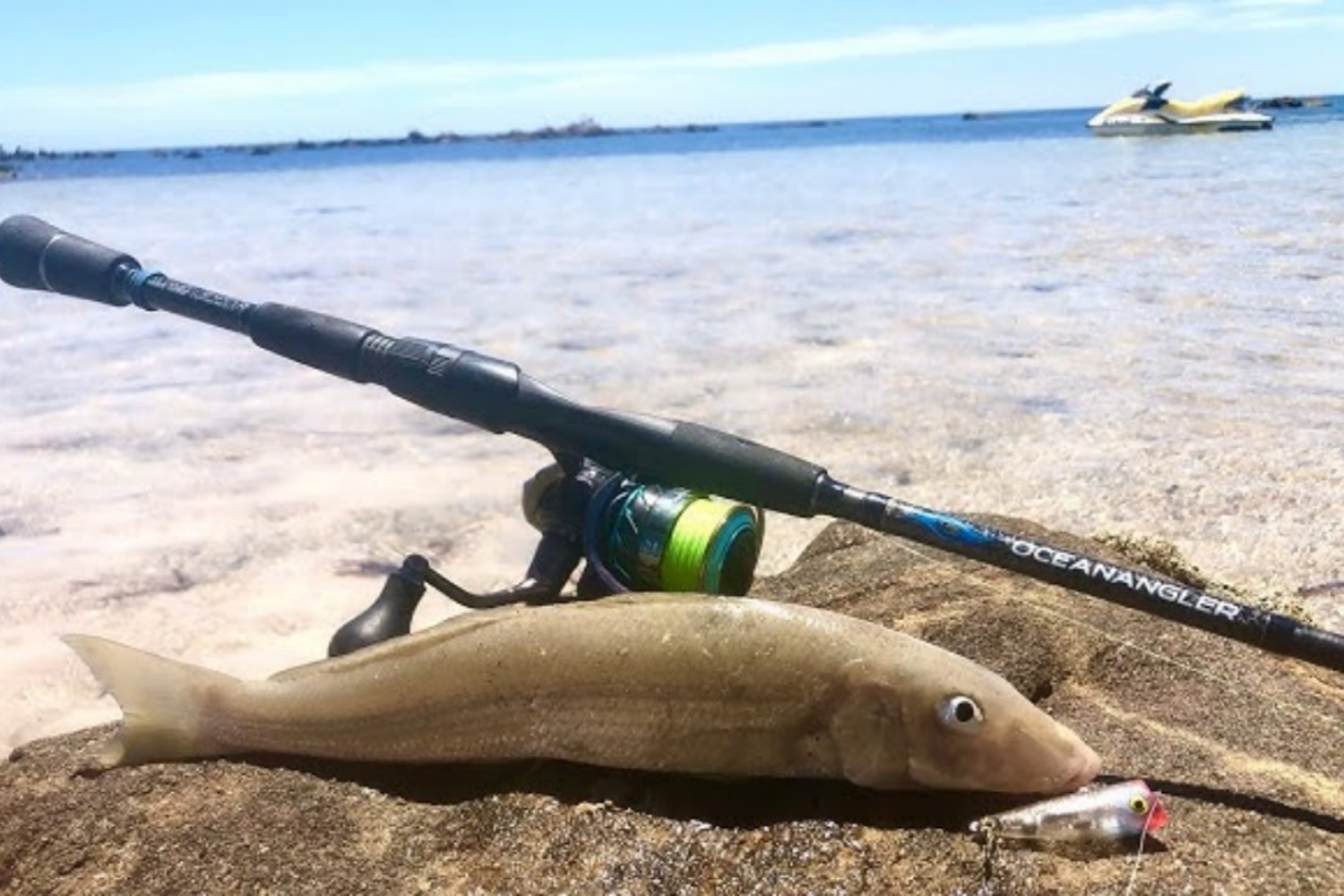
- Lure Fishing for Whiting: Although Whiting are predominantly caught on bait, lure fishing is becoming increasingly popular. Small, soft plastics, poppers, and blades can all be effective in enticing Whiting, especially in shallow water or over sand flats. The key to successful lure fishing for Whiting is a subtle presentation and consistent, slow retrieval.
- Fly Fishing for Whiting: For those looking to take their Whiting fishing to the next level, fly fishing is a challenging yet rewarding option. Using small, shrimp-like patterns or worm imitations on a light fly rod can produce exciting results, especially in clear, shallow waters where you can see the fish following your fly.
- Night Fishing for Whiting: Many experienced anglers find that Whiting bite even better at night, especially under a full moon. Fishing in estuaries and beaches after dark can be highly productive, as Whiting move into shallower water to feed. Ensure you have a good headlamp and take extra care with your tackle, as nighttime bites can be harder to detect.
Conservation and Sustainability
As with all forms of fishing, it’s important to consider conservation efforts to maintain healthy Whiting populations. Always follow local fishing regulations, including size and bag limits, to ensure that future generations can enjoy Whiting fishing. Additionally, consider practicing catch-and-release, especially for smaller fish or during times when Whiting populations are more vulnerable.
Fishing for Whiting is a fantastic way to enjoy the outdoors, hone your fishing skills, and bring home a delicious meal. By understanding Whiting’s habitats, using the right equipment, and applying the techniques outlined above, you’ll increase your chances of success. Whether you’re a beginner looking to land your first fish or an experienced angler seeking a rewarding challenge, Whiting fishing offers something for everyone. So grab your rod, pick the perfect spot, and get ready to reel in some of the tastiest fish the ocean has to offer.