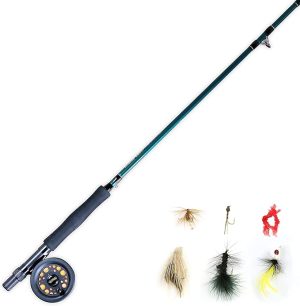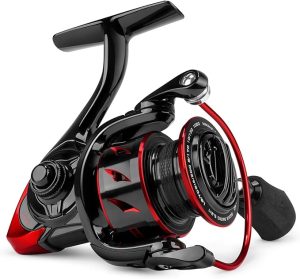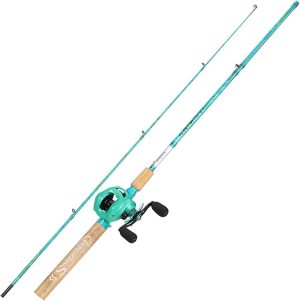
When it comes to fishing, the reel is as critical as the rod itself. A good fishing rod reel can make the difference between landing a big catch or losing it. But with so many options on the market, how do you identify a quality fishing rod reel that will serve you well? Whether you’re an experienced angler or a novice, understanding what makes a reel stand out in terms of performance, durability, and functionality is key to enhancing your fishing experience.
We’ll break down the essential features that make a fishing reel truly high-quality, helping you select the perfect one for your needs.
1. Gear Ratio: The Heartbeat of a Reel
The gear ratio is one of the most important specifications to consider when choosing a fishing reel. It refers to how many times the spool rotates with each turn of the handle. For example, a gear ratio of 6:1 means that for every one full turn of the handle, the spool turns six times.
Why is this important?
The gear ratio affects your retrieval speed, control, and power. A higher gear ratio (7:1 or higher) is ideal for fast-action lures like jerkbaits or spinnerbaits, where quick retrieval is essential. On the other hand, a lower gear ratio (4:1 or 5:1) is better suited for heavier lures or larger fish, as it allows for slower, more controlled retrieval, providing more power to fight against the fish.
2. Durability and Material
The durability of a fishing reel is crucial to its long-term performance, especially if you plan to use it frequently or for tough conditions like saltwater fishing. Reels are typically made from a variety of materials, each offering distinct advantages:
Aluminum: Lightweight yet incredibly strong, aluminum reels are known for their durability and resistance to corrosion, making them ideal for both freshwater and saltwater applications.
Graphite: Graphite reels are lightweight and sensitive, which makes them popular for finesse fishing, where the feel of the line and bait is crucial. However, they are not as durable as aluminum and may not stand up well to heavy-duty fishing.
Stainless Steel: For premium quality, stainless steel components are often used in the internal mechanisms of high-end reels. These components provide enhanced strength and resistance to corrosion, ensuring a long-lasting reel.
When choosing a reel, it’s essential to select one made from materials that align with your fishing environment, as this will impact its durability and overall longevity.
3. Smoothness and Drag System
A smooth reel makes fishing more enjoyable and efficient. The drag system, which allows you to control the resistance as a fish pulls on the line, is a key factor in smoothness. A quality drag system ensures that the line can be released with consistent tension, allowing the angler to tire out the fish without breaking the line.
Key features of a good drag system include:
Multiple Disc System: High-quality reels often feature a multiple-disc drag system that ensures smooth and consistent resistance. This is important when you’re reeling in large fish that require steady tension to avoid breaking the line.
Carbon Fiber Drag Washers: Many premium reels use carbon fiber washers, which are known for their ability to provide smooth drag and excellent heat dissipation. This ensures that the reel can handle prolonged drag without overheating.
Sealed Drag: Some reels come with a sealed drag system, which prevents water and dirt from entering the drag mechanism. This is especially beneficial for saltwater fishing, where sand and salt can degrade a reel’s performance over time.
4. Ball Bearings: The Backbone of Reel Smoothness
The number and quality of ball bearings in a fishing reel directly impact how smoothly the reel operates. Ball bearings allow the spool and handle to rotate effortlessly, and more bearings generally mean smoother retrieval.
However, more bearings don’t always mean better performance. While it’s true that higher-end reels often feature multiple ball bearings, what’s more important is the quality of those bearings. Stainless steel ball bearings are often preferred because they resist corrosion, especially in saltwater conditions. Look for reels with sealed or shielded bearings, which help prevent debris from damaging the bearing, ensuring smoother operation over time.
5. Weight and Balance
Weight is a key consideration for comfort, especially if you’re planning on long fishing trips. While it’s important to have a lightweight reel, it must also be balanced with the rod. A well-balanced reel ensures that the weight is evenly distributed, reducing hand fatigue during extended use.
How to find the right weight:
For lighter rods and finesse techniques, opt for a lighter reel that doesn’t add extra weight and compromise casting distance or sensitivity.
For heavier rods used in saltwater or for larger fish, you may need a heavier-duty reel. However, this reel should still feel comfortable and well-balanced in your hand, with no strain on your wrist.
A quality fishing reel should be designed to fit well with your chosen rod and provide comfort during hours of fishing.
6. Anti-Reverse Feature: Precision and Control
The anti-reverse mechanism in a fishing reel prevents the handle from rotating backward while you’re retrieving. This feature is essential for ensuring precise control when fighting fish.
Benefits of anti-reverse:
Instant Hook Setting: It allows for instant hook setting because the reel won’t unwind when you’re pulling back to set the hook.
Improved Fight Control: The anti-reverse feature gives you better leverage when you’re battling with a fish, as it prevents unwanted spool rotation and ensures every move you make is translated directly into reel action.
Some reels also come with a silent anti-reverse system, which eliminates the clicking noise of the mechanism and is ideal for stealthy fishing.
7. Line Capacity and Spool Design
The line capacity of a reel refers to how much fishing line it can hold. Depending on the type of fishing you’re doing, this can vary significantly:
Light freshwater fishing typically requires smaller line capacity, as you won’t need to cast long distances or deal with large fish.
Big-game fishing requires reels with higher line capacity because they need to hold thicker, heavier lines and withstand long, powerful runs.
Reels come in different spool designs, too. Shallow spools are typically used for lighter fishing applications, while deeper spools are better suited for big-game or saltwater fishing.
8. Price and Brand Reputation
While it’s tempting to go for the cheapest reel available, it’s often worth investing a little more in a higher-quality, reputable brand. Well-known brands tend to offer better warranty programs, customer service, and, importantly, superior product quality.
A Quality Reel Makes a World of Difference
Whether you’re fishing in freshwater lakes or braving the saltwater ocean, the quality of your fishing reel can make or break your experience. When choosing a fishing reel, consider its gear ratio, durability, drag system, ball bearings, weight, and line capacity. These features all contribute to a reel’s ability to provide smooth performance, reliable durability, and effective fish fighting power.
By investing in a high-quality fishing rod reel, you’ll be able to increase your chances of landing that big catch and make your fishing trips far more enjoyable. Make sure to select a reel that matches your style, preferences, and the type of fishing you plan to do.
Happy fishing!